Books by Elizabeth Cunningham
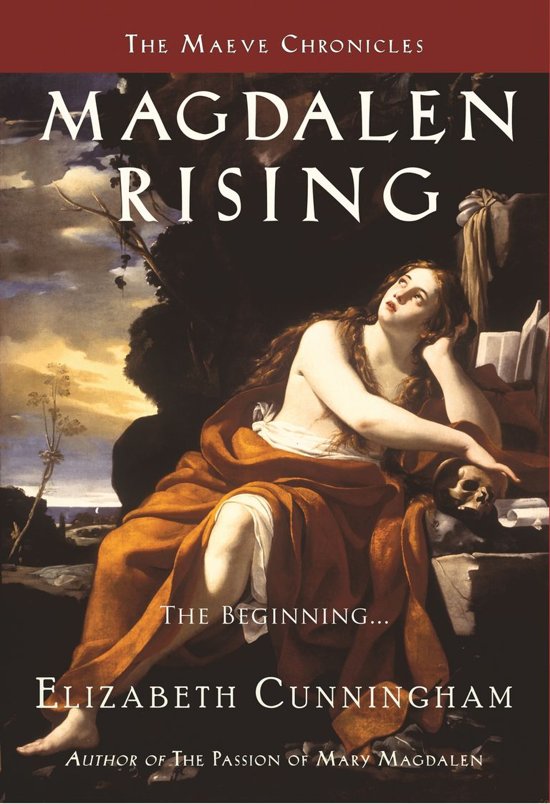
The Maeve Chronicles is a series of award-winning novels featuring the feisty Celtic Magdalen who is no one's disciple. Each volume can stand alone and the books can be read in any order. For those who like to read chronologically: Magdalen Rising; The Passion of Mary Magdalen; Bright Dark Madonna; Red-Robed Priestess.
|
| Born to eight warrior witches on an isle in the Celtic Otherworld, Maeve meets her match at druid school in Esus (Jesus), a charismatic foreign exchange student from Galilee. In a breathless tale that includes incest, rape, betrayal and defiance, Maeve saves Jesus from being made a human sacrifice at great cost to herself. After she gives birth to a child by rape, she is exiled, put to sea in a boat without oar or sail.
|
|
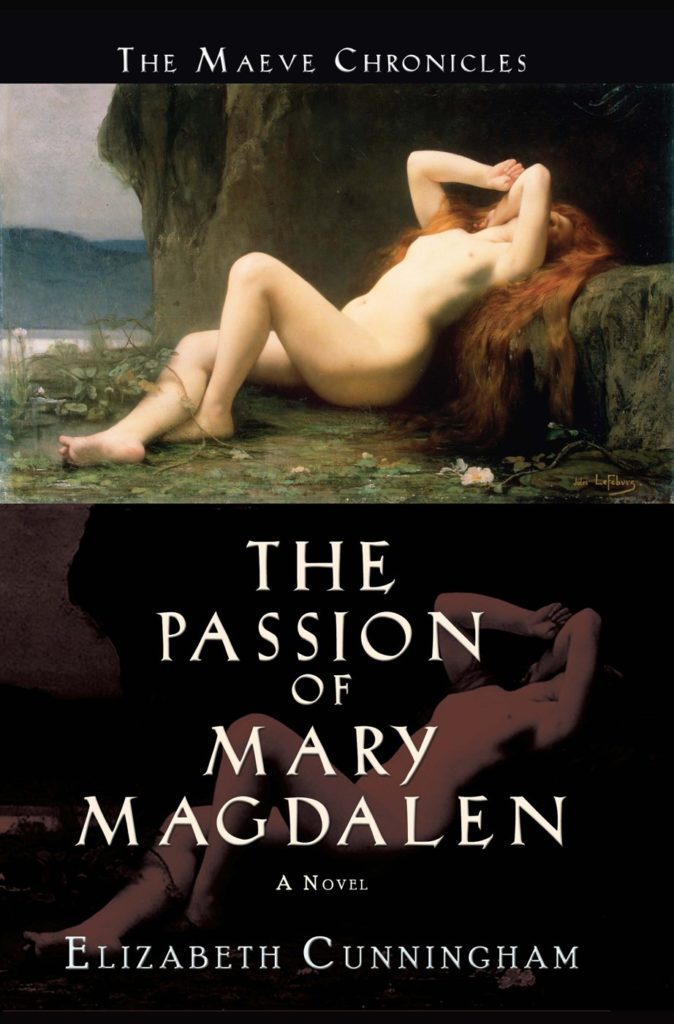
| We find Maeve naked on a slave block in the heart of the Roman forum where she is snatched up by an aristocratic madam. After adventures in Rome, which include intrigue at the Temple of Whores and Adulterers that nearly gets her crucified, Maeve wins her freedom and goes to Galilee where she opens her own holy whore house, the site of her reunion with her long-lost beloved. In her highly unorthodox way, she shares Jesus’s ministry and braves the mysteries of death and resurrection.
|
|
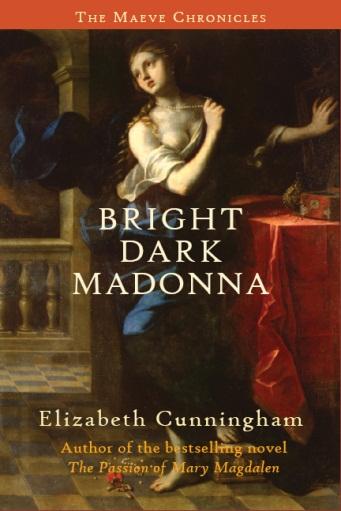
| Pregnant with Jesus’s posthumous child, Maeve becomes a mother on the lam (with the Virgin Mary in tow) when the early church fathers decide she is not fit to raise the savior’s scion. Maeve’s adventures take her from the wilds of Galatia (where she raises her daughter till she runs away after a disastrous encounter with St. Paul) to the sophisticated port city of Ephesus where Maeve is reunited with her daughter—a lesbian pirate. The pair goes on to create their enduring legends in Southern France.
|
|
| Maeve comes full circle, returning to Britain, with Sarah, her daughter by Jesus, to seek her first daughter, who has grown up to be none other than the rebel Queen Boudica. Maeve’s final adventure is further complicated by an impulsive love affair with the man who turns out to be General Gaius Suetonius Paulinus, the newly appointed governor of Roman Britain. The woman who has been to the foot of the cross must now bear witness to one of the most tragic battles of all time.
|
|
|
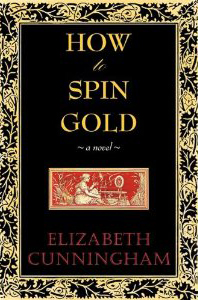
The traditional tale of Rumpelstiltskin turns on the revelation of a name. But what if the spinner of gold has no name? What if she is a girl, outcast from her village—welcomed only by the one she has always feared as witch? In this classic early novel, Elizabeth Cunningham deftly works her magic, transforming a familiar tale into a startling encounter with our deepest human longings. The nameless narrator’s journey from bitterness to wonder is a profound meditation on the alchemy of the spirit.
|
|
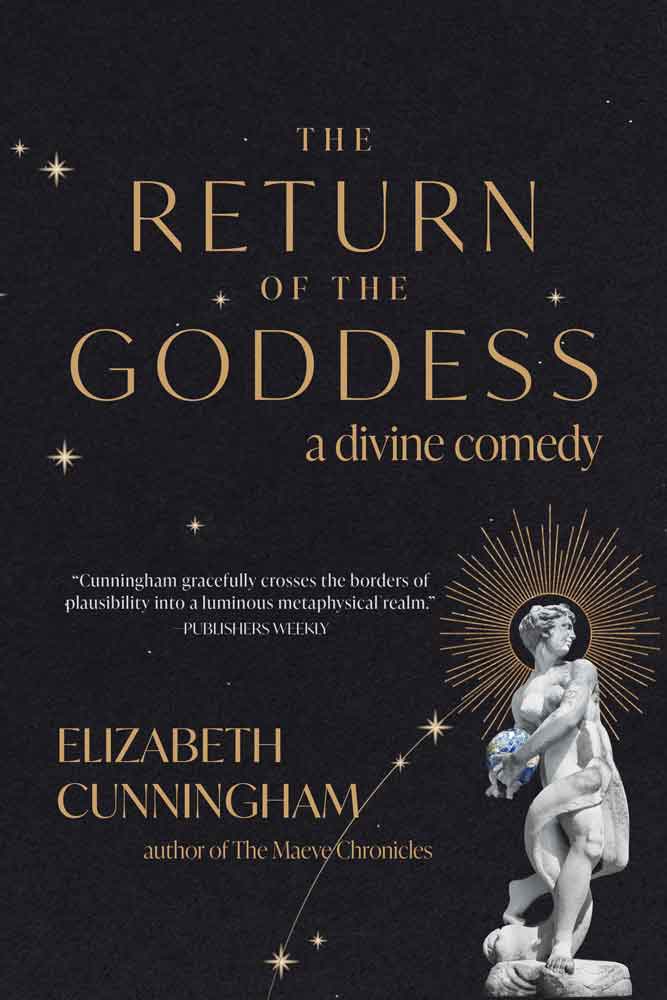
| In the tradition of Bradley's The Mists of Avalon, this extraordinary novel describes the sudden reappearance of the erotic pagan goddess in the unlikely hands of an Episcopal minister's wife. Set in the atmospheric Hudson River Valley, the book tells the story of Esther Peters, who fashions an image out of Playdoh that will effectively transform her life and the lives of all around her. Spencer Crowe is a childless widow, bedridden and beset by greedy relations who lust to inherit Blackwood, her overgrown but valuable estate. Marvin Greene is an African American poker playing, tarot-reading, ex-convict, who recognizes the Lady as Luck and follows her surprising lead. And Fergus Hanrahan is the mysterious estate keeper who is connected to the enchantment of Blackwood. The full force of erotic love, the tension between paganism and Christianity, and the depiction of the feminine as the preserver of the earth all resonate in this powerful work of magic realism. Cunningham's contemporary treatment of the popular goddess theme is unique in present-day fiction, and her powers of storytelling make this a book that will speak to myriad readers, both male and female. |
|
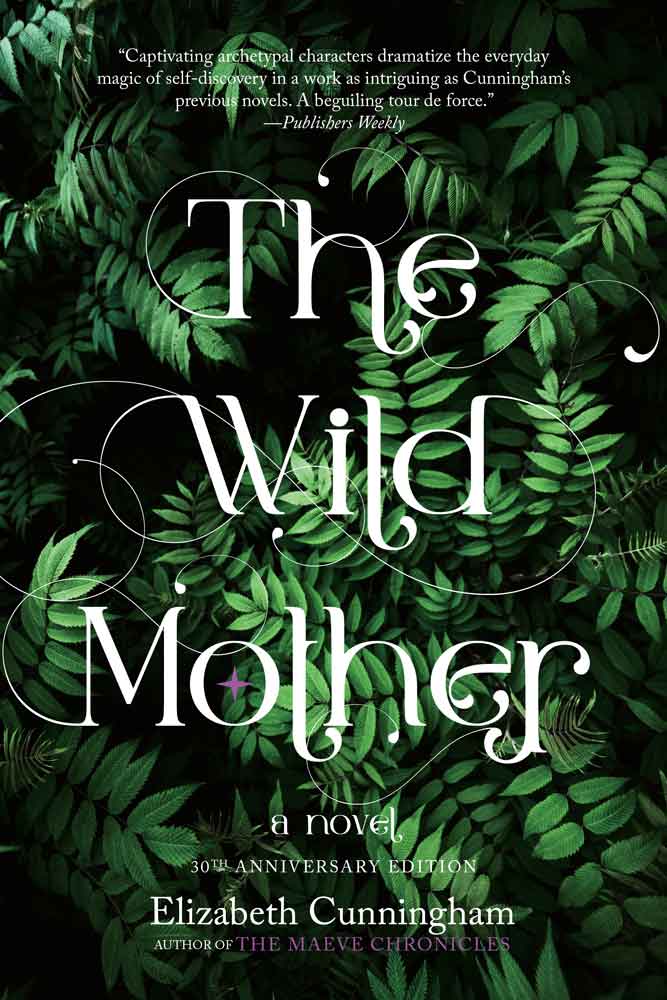
| Acclaimed for its deft blending of fantasy, psychology, and archetype, The Wild Mother is a brilliant depiction of the Wild Woman and those who would enslave her out of fear. Its protagonist is Lilith, predecessor of Eve who fled Eden for the woman-inhabited wilderness called the Empty Land. While returning to our own world to claim the 10-year-old daughter she was forced to abandon, Lilith is taken prisoner by Adam Underwood, the child's father. Her liberation by two others Adam has enslaved -- his blindly devoted colleague, Eva, and his still spirited mother -- forms the crux of this powerful reinterpretation of the myth of female destiny. |
|
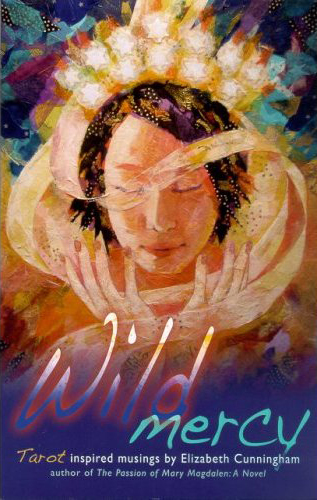
| Illustrated by Janet Black Evocative, provocative, inspired and inspiring; Wild Mercy dips into the power behind the card image and brings back gold. "This is a book of poetry for both poetry connoisseurs and those who love to be touched intimately by beauty and honesty. Like all good collections of mystical poetry, Wild Mercy will touch your heart and push you to the edge of your comfort zone, make you laugh and make you think." -- MatriFocus, Imbolc 2007 |
|
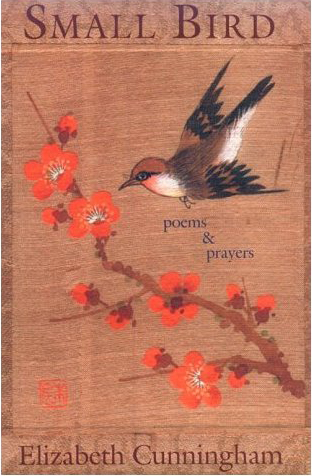
| Master of spiritually alert yet down-to-earth fiction (magical realism) Elizabeth Cunningham now unveils her unique species of poetry related to Rumi and Rilke - devotional yet psychologically poignant, like dreaming while awake or laughing while crying. Short, highly focused, and superbly balanced poems take us into the psychically charged universe of her novels. Tributes to the sacredness of the earth and a very incarnate human longing for the divine. Writing from her own richly embodied, passionately feminist perspective with a vision of spiritual health beyond shame, she creates a world with affinities to the work of Robertson Davies, Gabriel Garcia Marquz, and Marion Zimmer Bradley, as well as earlier writers (C.S. Lewis, Charles Williams, and George McDonald). |